Fondazione Cariplo – 30esimo “Pane e ricerca”
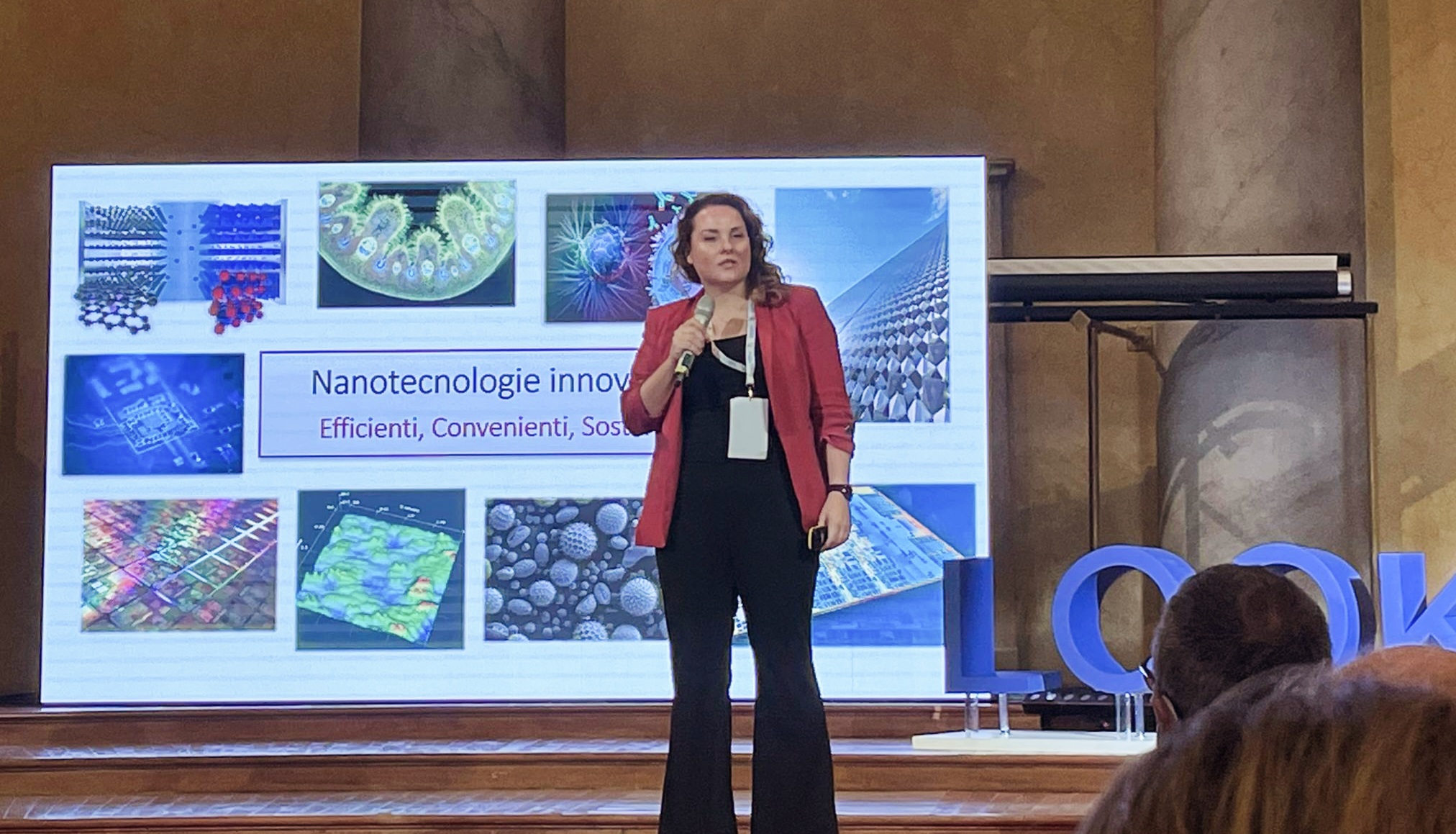
Prof. Giulia Mancini invited speaker at the event Looking4, for the 30th Anniversary of Cariplo Foundation. Find out more
Prof. Giulia Mancini invited speaker at the event Looking4, for the 30th Anniversary of Cariplo Foundation. Find out more
Prof. Giulia Mancini invited speaker at the Multiphoton Processes Gordon Research Conference, USA. Find out more
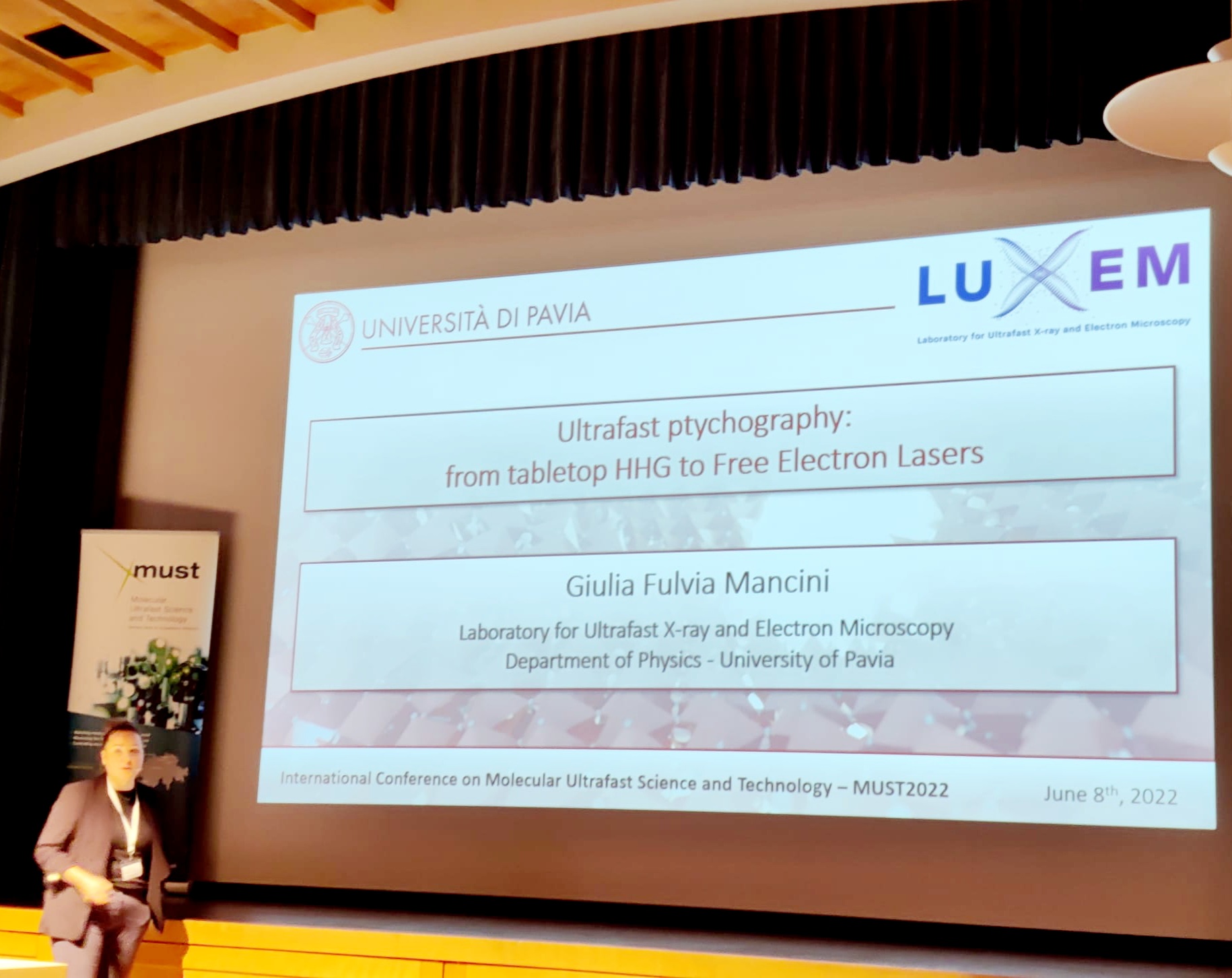
Prof. Giulia Mancini invited speaker at the International Conference on Molecular Ultrafast Science and Technology - MUST 2022, CH. Find out more
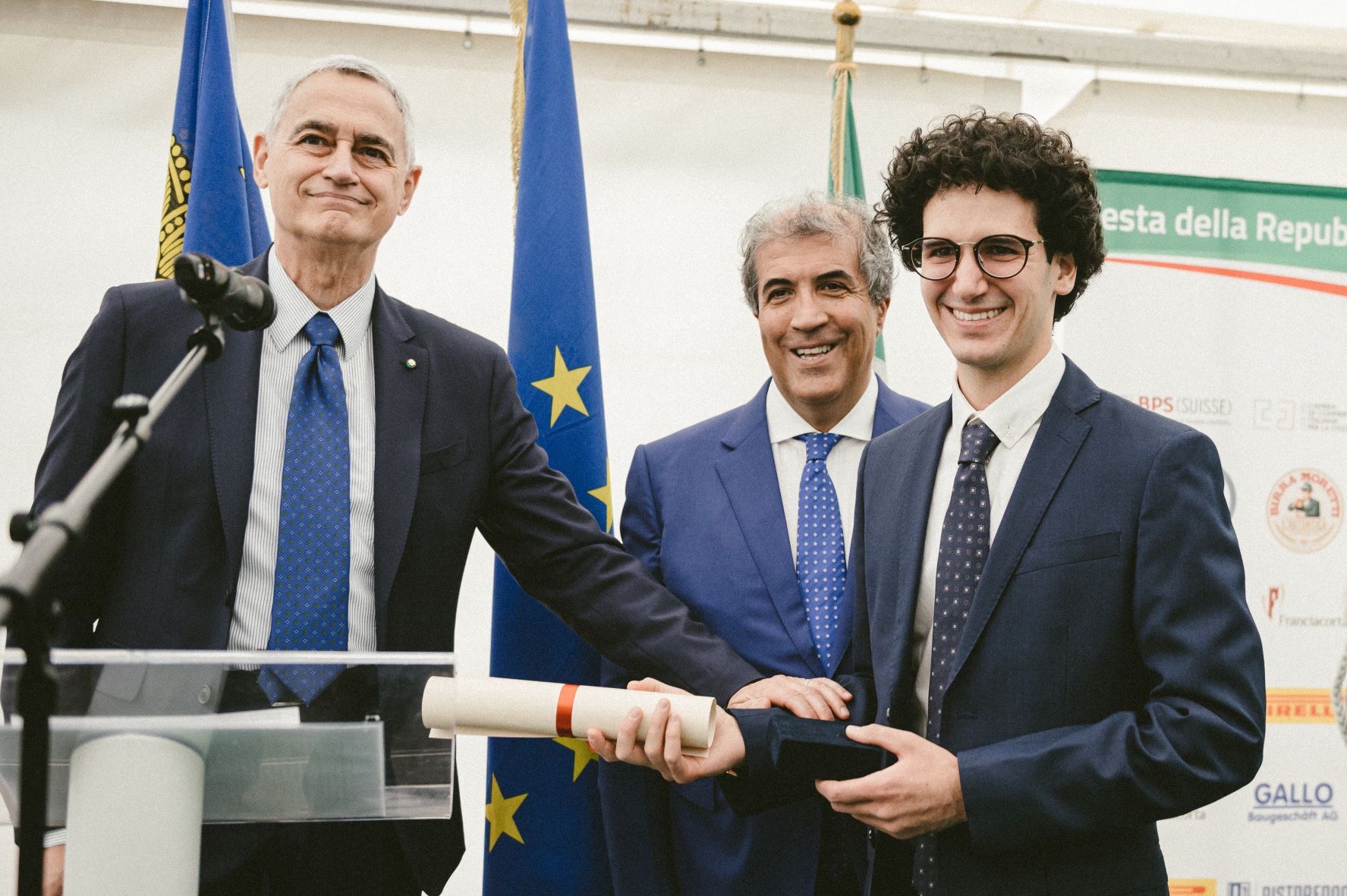
Dr. Oliviero Cannelli has been awarded the SAIS Prize 2022 for the best PhD thesis in the field of science, technology, engineering and math, for the application of innovative experimental methods for the study of light-matter interaction using ultrafast X-ray pulses. Oliviero received his PhD at EPFL in October 2021 under the supervision of Prof. Majed Chergui and Prof. Giulia Fulvia Mancini. Find out more
To address "Hot topics in ultrafast science", LUXEM organized 3 guest lectures from internationally recognized experts in: Ultrafast Electron Microscopy - Dr. Gianmaria Vanacore, Univerista' di Milano Bicocca Ultrafast Spectroscopy - Dr. Laura Cattaneo, Max-Planck-Institut für Kernphysik - Heidelberg Ultrafast Science at Free-Electron Lasers and synchrotrons - Dr. Camila Bacellar - SwissFEL, Paul Scherrer Institut
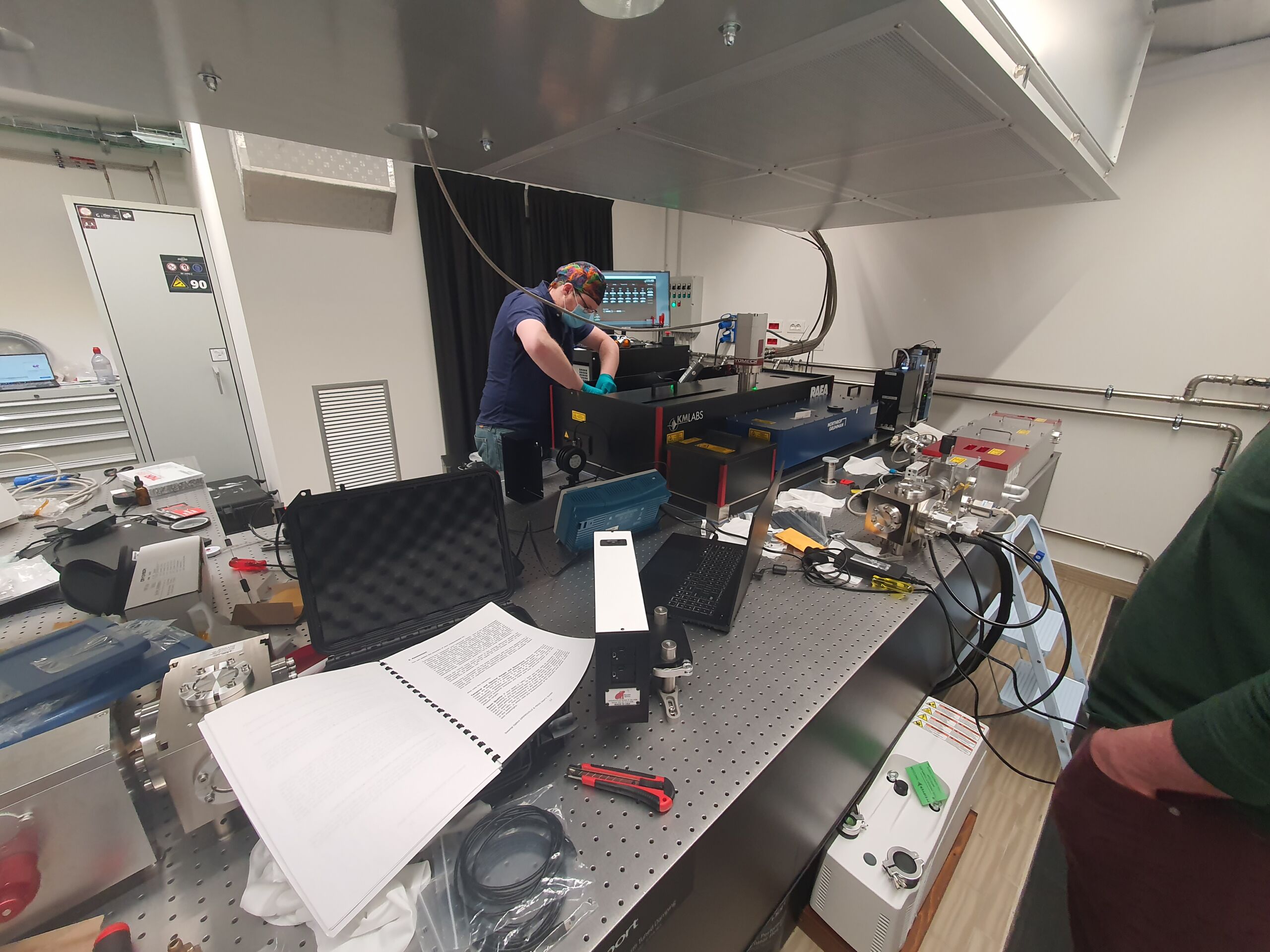
The Ultrafast Laser system and EUV source is shipped and installed in our Lab in Pavia!
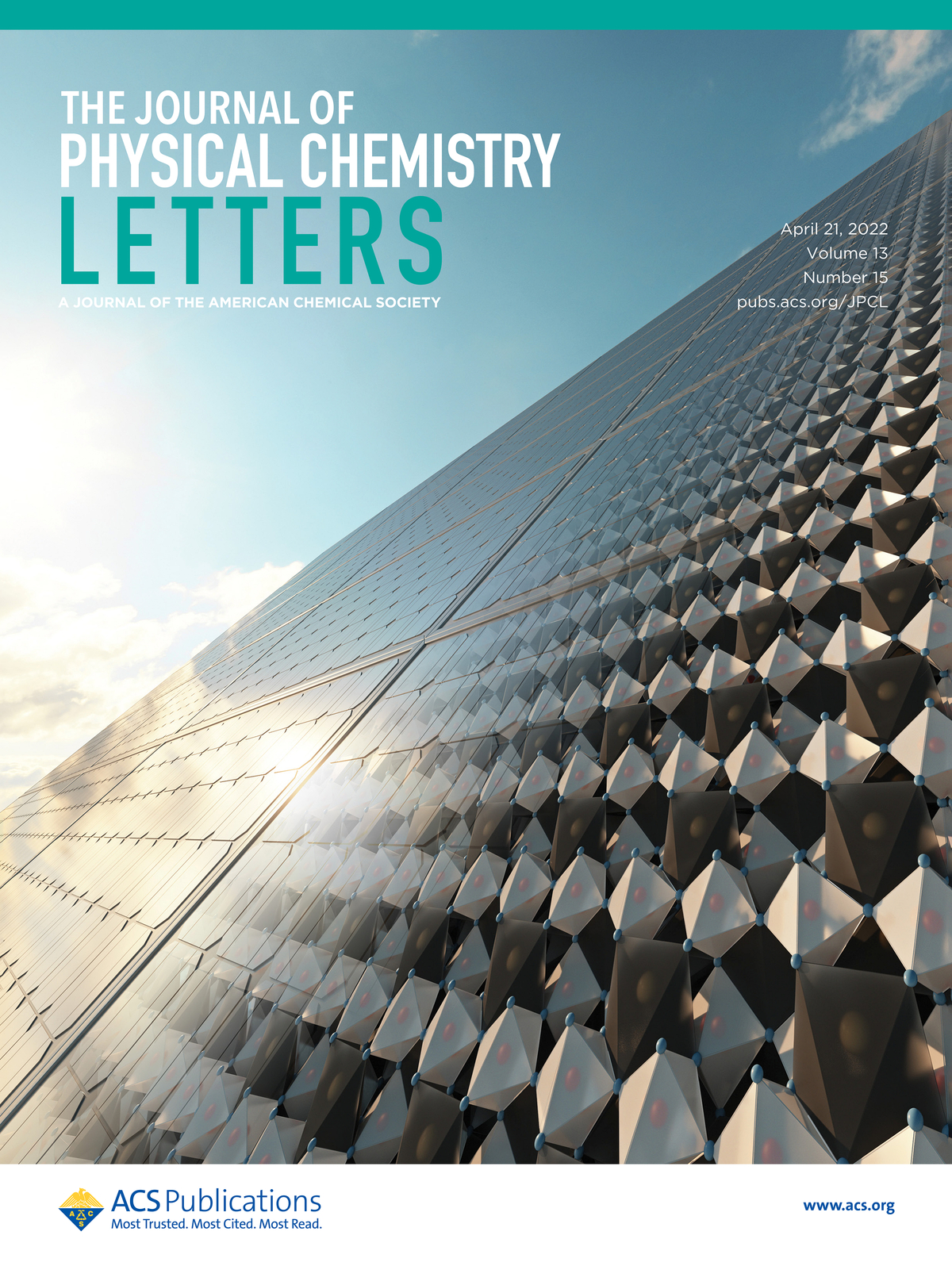
We provide a comprehensive atomic-scale description of the purely thermal response of lead-halide perovskites in a temperature range relevant for realistic applications. Thermal-induced changes are rationalized in terms of displacive phase transitions, which are a consequence of the phonon anharmonicity of the inorganic lattice. Find out more
The “Incontri di Fisica Moderna” organized by the Physics Department, University of Pavia, are open Bachelor and Master students. Giulia Mancini contributes with a talk entitled: “Ultrafast lasers: new laboratory-scale synchrotrons”. Find out more
The Journal of Physical Chemistry Letters Volume 13, Issue 14, pages 3310-3528 We provide a comprehensive atomic-scale description of the purely thermal response of lead-halide perovskites in a temperature range relevant for realistic applications. Thermal-induced changes are rationalized in terms of displacive phase transitions, which are a consequence of the phonon anharmonicity of the inorganic lattice. Find out more
Dr. Bevis MSCA project DECIPHER is awarded funding from the HORIZON-MSCA-2021-PF-01-01 Action. Fostering excellence in research & innovation, this prestigious recognition from the EU will enable Dr. Bevis to work in a joint collaboration across LUXEM (Italy), LUMES (Switzerland) and DrX Works (The Netherlands) toward advances in ultrafast electron imaging. Find out more


Department of Physics
University of Pavia
Via Agostino Bassi 6, 27100 Pavia, PV